Welcome to Our Blog !!!
Showing posts with label health. Show all posts

Portion Controlling Your Appetite a Good Habit for the New Year


New Year’s Eve is a traditional time of vows and resolutions, and losing weight is on the top of many lists. Making the changes that will allow people to be successful can be difficult however. Many of the health and weight loss resolutions made fail quickly, but they don’t have to. Here are some easy ways to enjoy more success with your resolution to change body weight and improve health.

Why a Healthy Weight Goal is So Important

The obesity epidemic in the world is scary. Health issues from excessive body weight include heart disease, lung problems, stress and anxiety as well as serious illness of vital organs. Limiting food is one way to lose weight, but it is often not successful. People who try to avoid certain favorite things end up cheating and giving up quickly. There are no side effects to losing weight, but giving up can cause some serious side effects that have fatal effects.

Solving Obesity with Portion Control

We are used to seeing portions that are way out of line with healthy eating habits. The first step to controlling food intake is to read nutritional labels so that you understand how many calories are in each serving, but if you are not eating the amount equal to what that product’s serving is, the values are way off. Dieting seems hard because so many people think they are doing what they are supposed to be doing, but are actually consuming a lot more calories daily than they should.

When creating foods, most people use measuring cups, spoons and scales to determine exact amounts, but leave all of that aside when they actually serve up the meals. Obesity rarely strikes just one person in a family. Most times one person cooks and serves the food and everyone eats everything on their plate. 

Avoid Confusion with Macro-Dieting

There are a lot of numbers on nutritional labels that really aren’t as important as others. One of the ways to get the most out of your plans to lose weight is to consider the macros. In macro-dieting you simply have to break down nutrients according to a few quick numbers: your calorie requirements, and how many of the key nutrients you need to fulfill that number in a healthy manner. The macro nutrients include carbohydrates, fat and protein. It isn’t hard. A simple macro plan involves eating 40/40/20, so on a 2000 calorie a day diet, you would need to consume 800 carbs, 800 proteins and 400 fats. Doing this takes the stress of the heart, lung and kidneys. It is a low fat protein method of reducing fat intake.

Then make sure the food you eat equal that amount by measuring serving sizes and it all gets easier. When eating by the macro plan you can eat a little of everything, which means you won’t feel deprived the way some diets leave you. When you cut back on stuff you love, you may feel like cheating, you want larger portions, and miss out on your favorite foods.

Make Eating Smaller Portions Easier

Use smaller plates when serving meals. The eyes play tricks on our brains, and this is one of the times that is a good thing. By eating off of smaller plates we feel fuller faster, and eat fewer carbohydrates which is great for the heart and vital organs. Maintaining a healthy weight takes more than dieting, but limiting calories is a big part of reaching your goals.

Choosing the Right Types of Protein

Making the right choice by adding low fat protein and reducing fat intake allows your body to take the importunity to lose weight. Making a New Year resolution is a good start. It shows you are goal oriented and ready to create the importunity for your body to get healthy. All you have to do is maintain portion control, eat a little of everything in a good way and remain goal oriented to be successful in the New Year with your new lifestyle.

Getting ahead of Internal of Internal Cystitis and Back To Normality


Interstitial cystitis, or IC, can be difficult to diagnose and even harder to treat. Also called painful bladder syndrome, it can mimic other health problems, such as kidney stones or bladder infection. Your doctor may need to rule out other causes before diagnosing you with IC and take your medical and family history as well as perform a physical exam.

The kidneys filter waste products and create urine, which is passed into the urinary bladder. The urinary bladder can usually hold between two and four cups of urine at a time, but when you have IC, you may have frequent, painful urges to go. While the average person voids between six and eight times a day, someone with IC may go up to 40 to 60 times a day.

Symptoms can vary from person to person, and they may come and go. However, the condition is considered chronic, and most people will suffer a relapse.

Common symptoms include:

   Painful pressure
   Pain in the lower tummy, pelvic area or urethra
   Pain in the vagina or vulva in women
   Pain in the penis, scrotum or testicles in men
   Feeling the urge to urinate nearly constantly
   Intercourse pain
   Burning pain with urination
   A dull ache, a stinging sensation or burning pain

An inflamed bladder is a universal symptom, and up to 10 percent of sufferers will develop bladder ulcers. Your doctor may recommend more than one method of testing to rule out more serious problems and distinguish between IC and a normal bladder. The cause of IC is not fully understood but may be related to immune system attacks on the urinary tract and abnormal nerve stimulation or response.


Sufferers are about 90% women, and symptoms often first appear in the 40s. Lifestyle changes can be helpful. Common triggers include menstrual periods, stress, chocolate, tomatoes and citrus fruits. Limit your intake of foods and drinks that could worsen your symptoms, and practice relaxation techniques such as meditation to relieve stress. If you smoke, quit smoking, and limit your intake of alcoholic or caffeinated beverages. Low-impact exercise such as walking or stretching can be quite helpful for some patients. Your doctor may recommend physical therapy to help relax your pelvic muscles for bladder retraining so that you can hold more urine. Anti-inflammatories or other medications may be prescribed.

The Pains of Kidney Stones

People who have experienced the extreme pain of an advanced kidney stone problem often equate it to giving birth. It is a typically very painful problem, and one that is impossible to ignore. What many people do not know is that it is entirely possible to have a kidney stone without any symptoms at all. Most kidney stones are as small as a grain of salt and people end up passing them before they ever get big enough to cause pain. When things go wrong, however, and stones grown into a large solid substance in the urinary tract, the pain is inevitable. Symptoms of a blockage due to a stone include sharp, radiating or stabbing pain in the side, or lower abdomen. In some cases a blockage can cause lower back pain as well. It is a common belief that the pain is caused by the sharp crystine masses, but it is really a result of the calcium build up getting so big it can block urine from flowing through the urethra. Additional symptoms of a blockage include: • Pain or discomfort when you pee • Pain in the genitals • Blood tinged or cloudy urine • Frequent urination • Fever or chills • Trouble urinating • Pain in the groin area • Changes in or fluctuating frequency and intensity of pain • Nausea, vomiting, feeling sick to stomach What Causes Kidney Stones? Renal lithiasis, or kidney stones, are caused by a build up of minerals and acid salts. While it would be nice to be able to pin a particular cause on the development of these painful little crystals, anyone can get them. However, there are some risk factors that can increase your chances of developing tones, too much calcium in the diet, or a lack of the nutrients that prevent crystals from sticking to each other. People who have developed stones are more likely to have a repeat episode within a five-year period. It can help to know what type of kidney stone you had, in order to lower the chances of developing them again. There are four basic types of kidney stone: calcium stones which are the most common, struvite stones caused by infections in the urinary tract, uric acid stones caused by not getting enough water and fluids, and finally, cystine masses that are caused by a hereditary problem of the kidney’s releasing too high of a level of the amino acid cystinuria. General risk factors for developing stones include diet, lack of water or dehydration, family history, obesity, and some medical conditions. Having a kidney stone can, in extreme cases cause its own medical conditions. Kidney damage can occur if kidney stones are left untreated. It is also important to strive to follow up with your physician once you pass your stone. Even though the pain has stopped, small particles may remain behind that can be passed through the kidneys causing long-term damage. Your Diet and Kidney Stones What you eat can play an important role in preventing these type of stones. Eating foods with a high oxalate levels can increase the chances of developing urinary stones that develop into the pearls that get suck and cause such excruciating pain. Foods to avoid include dark beer, black tea, chocolate milk, nuts, soy products, starchy foods and even some vegetables like beans, beets, carrots and more. Treating a Kidney Stone Mild stones usually pass with very little problem. However, if you are experiencing extreme pain, fever, chills, nausea or there is a change in the color or frequency of your urination you should seek help fast. When a crystal gets stuck in the urinary track the blockage causes severe pain, but it also allows the stone to grow even bigger. Don’t wait for the pain to go away. Studies have shown that the kidney damage risk increased dramatically when stones were left untreated for more than 24 hours. After performing a few routine tests such as an ultrasound or CT scan, your physician will likely prescribe medications to help you break up the stone, as well as pain killers to help you deal with the discomfort. You may be guided to a nutritionist to follow up with how to get the right amounts of iron in your food and find the right range of oxalates so you can prevent future developments as well.

Taking Action To Fight Memory Loss

Most people associate memory loss with aging, but according to Harvard Health Publications, you are never too young to start doing things to prevent memory problems. Waiting until memory problems are apparent increase the likelihood that you will need medications that bring along added risks of side effects. There are several easy steps that anyone can begin early to reduce memory failure. The more proactive people are, the better their chances of retaining their mental abilities long into their senior years. Here are a few simple steps you can consider to help lower the risk of memory loss.

Eat Right for Better Memory

Certain foods help increase brain function. Eating vitamin rich foods like vegetables and fruits feed the brain while also helping you prevent disease, because many are rich in antioxidants. Avoid unhealthy habits. Limit alcohol intake and put up “No Smoking” signs around the house to remind yourself to quit and keep others from polluting the area as well.

By starting as soon as possible, and continuing to practice a healthy diet, along with sleeping well, making sure you get the right vitamin intake and avoiding unhealthy habits you are priming your body to be fit and keeping your mind in shape from an early age.

Workouts for the Mind

Most people understand that exercise is good for the body, but it is good for the brain too. Even though the brain is not a muscle, and there are no sit-ups or brain building workouts that will strengthen it directly, all exercise helps increase blood flow and improves brain function. Along with a rich supply of blood and oxygen, working out also releases powerful endorphins in the brain, a hormone that makes you feel good and creates a feeling of general well-being. It is a stress reliever that takes a lot of pressure off of the body’s systems including the brain.

You don’t have to go to great lengths to workout, although a health club membership is a terrific resource. You can get plenty of extra movement if you walk instead of drive to local stores or work if it is nearby. Use stairs and avoid elevators. If you feel like strenuous workouts at a health club would be too much, or you have trouble fitting gym hours into your busy schedule, use exercise videos at home. For older people who want to workout, but have stiff, sore joints, swim at the local club or pool. Swimming is fantastic exercise that is easy on the joints.

Additional Steps to Prevent Memory Loss
Develop interesting hobbies. If those hobbies also keep you active you are one step ahead of the game. Doing things like gardening not only gives you pleasure from planting seeds and watching them grow into beautiful blossoms or food, but the act of caring for a garden provides a lot of fresh air, sunshine and movement. 

Stay social. Getting together with friends and family keeps you mentally fit, and also helps alleviate depression as you get older. Make time to enjoy get-togethers well into the senior years. One of the most destructive aspects of getting older is the isolation that can become a big part of life. Losing contact with others brings on depression, and also promotes decreased memory functions.

Take classes at a local college or online to keep your mind active no matter how old you are. Whether you decide to strive for an advanced education, or you just want to take a variety of classes to expand your horizons, you are never too old to learn new things. Read books, too, for added brain activity. Learning, reading and always searching for new information makes the world a much more interesting place while keeping your mind strong. 

How to Deal with Various Stages of Memory Loss
Develop a memory lapse strategy that fits your individual level of difficulty. Stay mentally active as long as possible. Even when you begin to notice a loss of recall, in yourself or a loved one, keep challenging your mind with memory puzzles and games. The brain is a complicated thing, but it has something in common with your muscles, if you don’t use it, you’re more likely to lose it. If there are certain areas that you find worrisome, plan ahead. For instance, if you can’t afford to be late searching for your car keys, always put them in the same spot each time you return home. If you are worried about forgetting appointments, keep a daily appointment book and write down even the most insignificant errands so you always get the things done that you want accomplished.

Red Meats and Cancer Scare


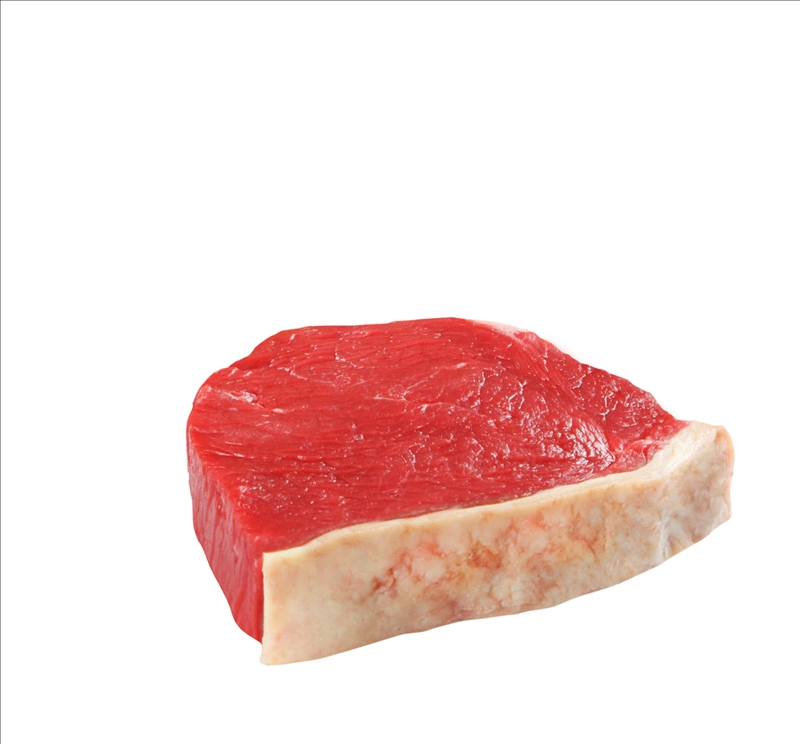
Meat plays a big role in the average United States diet, but recent news that some types of meat can cause cancer has caused many of us to take a long look at what and how we eat. According to the World Health Organization, bacon, hot dogs, sausage and other processed meats could increase the risk of breast cancer and malignancies in the colon while red meat is associated with malignancies in the kidneys. A recent study on the topic involved about 1,300 people. Those who had been diagnosed with kidney cancer had eaten a diet high in both red and white meat as well as meats that were barbecued, grilled or pan-fried at high temperatures.

The meat is only part of the equation. The way we cook it could also be to blame. Cooking at a high temperature or over an open flame until the meat is smoked or burned is particularly dangerous for our health because it releases carcinogenic chemicals. The danger is highest for those with certain genetic mutations, but anyone could be affected. 

Reducing your consumption of red and processed meats may be one of the healthiest ways to avoid a health scare. Try to limit yourself to less than 90g a day, and choose the healthiest cuts you can find, such as 95% grain-fed cattle, free-range organic chicken free of antibiotics, or game meat. Skip the GMO meat, processed meats and meats cooked at high temperatures. 

Instead, eat a diet rich in anti-inflammatory foods, such as foods rich in omega 3 fatty acids such as walnuts and flaxseed. Other good anti-inflammatory foods include leafy greens, nuts, fatty fish, berries, citrus fruits, tomatoes and olive oil. Monitor your intake of omega 6 fats from foods such as corn oil and sunflower oil. While omega 6 fatty acids are an important part of the diet, they can contribute to inflammation and have been linked to several health issues. When you do eat meat, practice portion control to avoid overdoing it. 

Although more studies need to be performed to further explore this link, the evidence is clear that meat is highly inflammatory, and uncontrolled inflammation is a common denominator in many health problems ranging from obesity to cardiovascular disease. 

 
Copyright © 2011-2016 Osteo Relief Institute - Helpful Blog All Right Reserved